

Summary
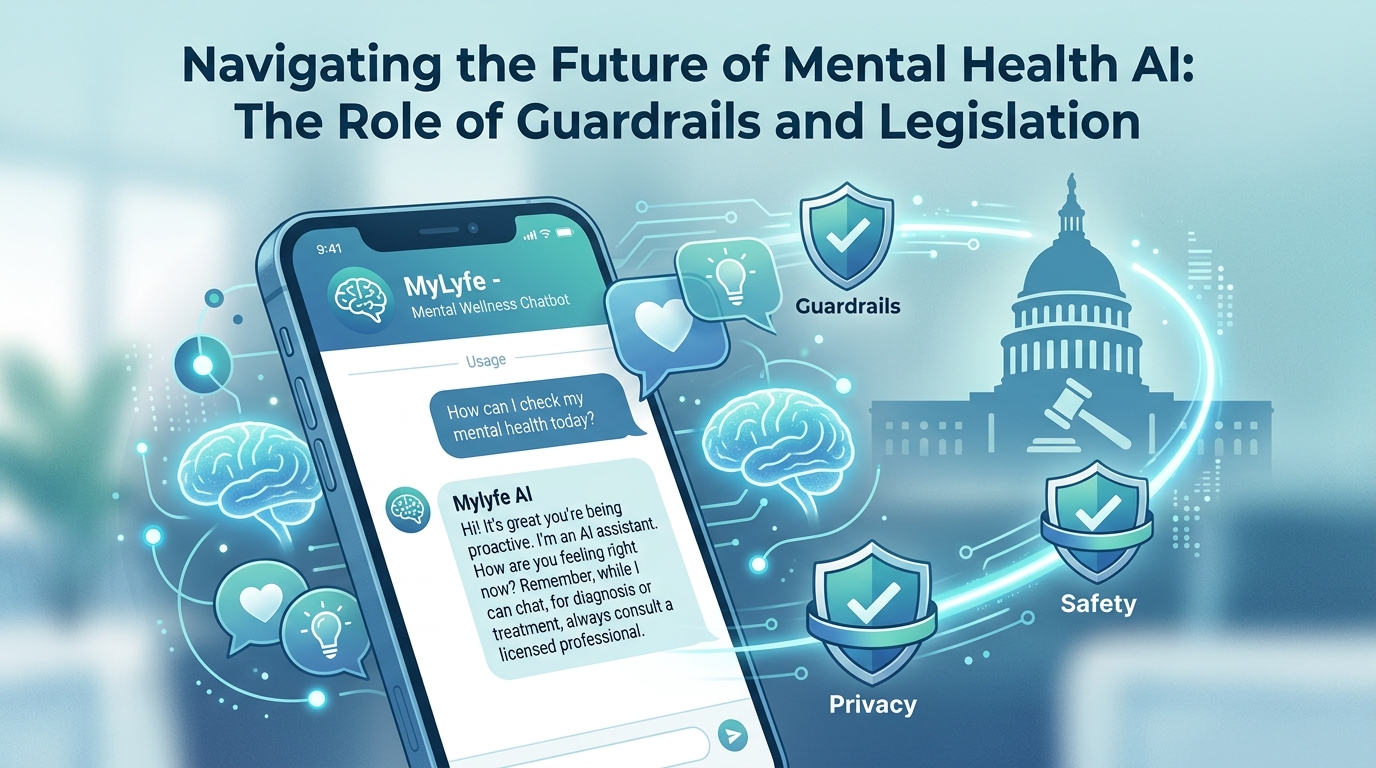
The American Medical Association (AMA) has sent letters to multiple Congressional caucuses urging lawmakers to establish guardrails for AI chatbots used in mental health care. The recommendations cover four key areas: boosted transparency, targeted regulations, limited advertising, and protected privacy with mandated cybersecurity.
Among the most significant proposals, the AMA recommends that Congress prohibit AI chatbots from diagnosing or treating mental health conditions — including offering anxiety or depression diagnoses or recommending medications. The organization also calls for mandating that all chatbots reliably identify suicidal ideation and provide immediate referrals to prevention hotlines, and for legislating stronger scrutiny for technologies impacting children and adolescents.
On the transparency front, the AMA wants chatbots required to clearly disclose that users are interacting with a machine, not a human, and prohibited from holding themselves out as licensed clinicians. The letters also recommend directing the FTC to enforce penalties against developers who fail to provide adequate transparency.
Sources
Commentary
The AMA’s intervention here is overdue and carries real weight. AI chatbots have been quietly absorbing mental health conversations for millions of users — many of whom treat those interactions with the same intimacy they would a therapist session. The gap between user expectations (private, clinical-grade care) and reality (unregulated software that may retain, log, or monetize conversations) is a liability timebomb.
The most impactful recommendation is the suicide risk detection mandate. If implemented, it would create a minimum safety floor that every mental health chatbot must meet — similar to how emergency rooms cannot turn away patients regardless of ability to pay. The advertising restrictions are equally important: when a person in crisis asks a chatbot for help, the last thing they should receive is a targeted ad for a pharmaceutical product. Whether Congress acts on these recommendations is another matter, but the AMA putting its institutional weight behind specific regulatory demands makes this harder to ignore.