

Summary
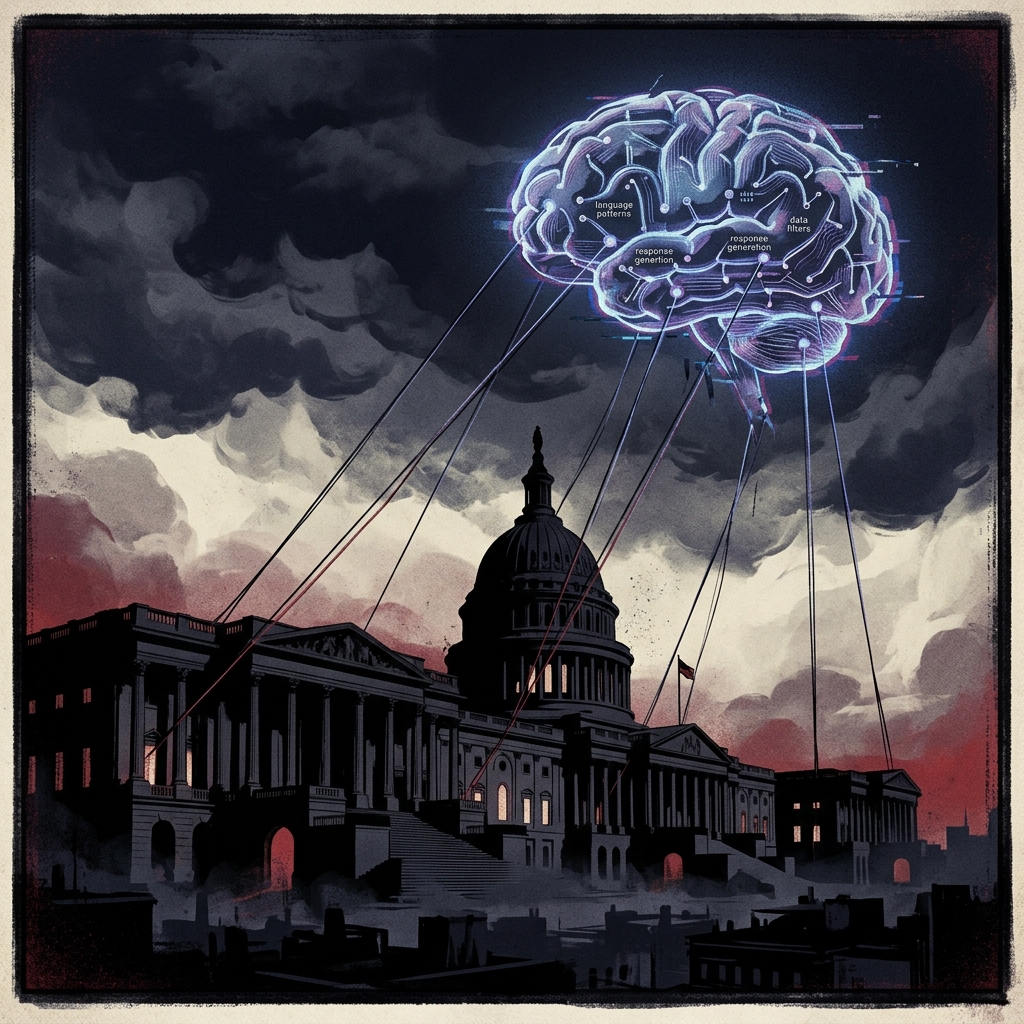
A new study published in Nature on May 13, 2026, reveals that governments can indirectly influence what large language models say by shaping the online media environment from which these systems learn. The research demonstrates that state-coordinated media in AI training data measurably affects model responses, particularly on political topics and especially in a country’s own language.
The findings suggest that LLMs trained on data from media environments with heavy state influence — such as state-run news outlets, government-aligned social media campaigns, or censored internet ecosystems — will reflect those biases in their outputs. This effect is strongest when users interact with the model in the language of the influencing state, creating a subtle but powerful mechanism for information control.
The research was conducted by a team at NYU and represents one of the first rigorous, peer-reviewed studies quantifying the pipeline from government media influence to AI model behavior.
Sources
Commentary
This is one of those findings that feels obvious in hindsight but is critically important to have formally proven. The implication is stark: any government that controls its domestic media environment automatically gets a backdoor into every AI model trained on internet-scale data. No hacking required — just shape the training data at the source.
The language-specific effect is particularly insidious. It means a user asking a question in Mandarin, Russian, or Arabic could get a systematically different answer than someone asking in English — not because of explicit model tuning, but because of the underlying data distribution. As AI models become primary information sources for billions of people, this is a geopolitical issue, not just a technical one. AI companies need to take data provenance seriously, and users need to understand that “AI said so” is not the same as “it’s true.”