

Summary
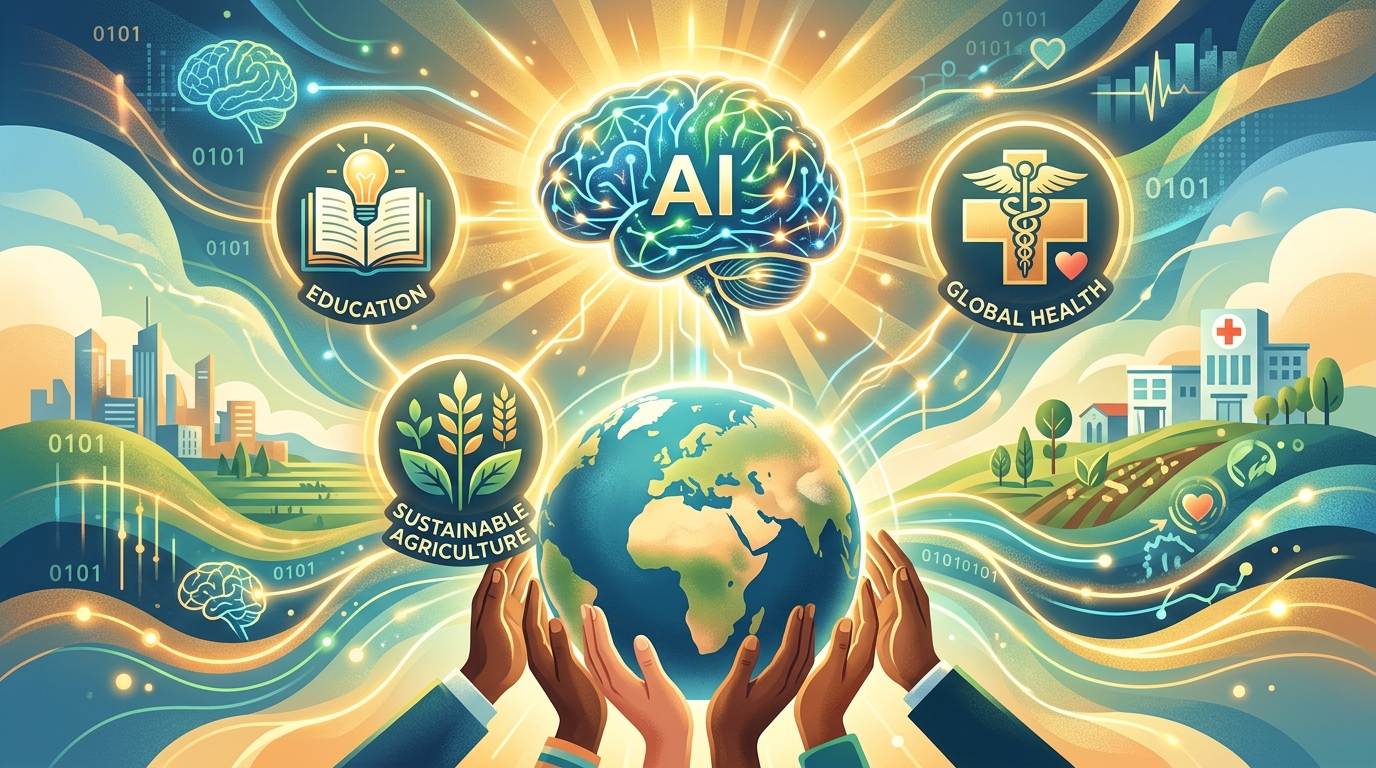
The Bill & Melinda Gates Foundation and Anthropic have announced a multi-year partnership backed by $200 million in grant funding, API credits, and technical support. The collaboration aims to develop AI tools and shared public goods to address critical challenges in global health, education, and agriculture — with a specific focus on equitable access and designing solutions for underserved communities.
Initial efforts will focus on building systems to help scientists analyze data for breakthroughs in vaccines and treatments, modernize disease tracking and surveillance, and improve AI’s effectiveness in teaching and learning. The partnership represents one of the largest philanthropic commitments to applied AI for development to date.
The announcement aligns with the Gates Foundation’s broader AI strategy, which has included grants for AI-powered maternal care tools, support for nearly 50 projects using AI to solve global health problems, and the publication of guiding principles for the foundation’s use of artificial intelligence.
Sources
Commentary
This is a significant signal about where serious institutional money thinks AI can create the most value. While much of the AI discourse centers on productivity tools and chatbots for knowledge workers, the Gates Foundation is betting $200 million that frontier AI models can meaningfully accelerate progress in vaccine development, disease surveillance, and agricultural productivity in underserved regions.
The choice of Anthropic as a partner is noteworthy — the company has positioned itself as the "safety-first" AI lab, and the Gates Foundation’s emphasis on equitable access and responsible deployment suggests this partnership will prioritize careful, well-governed rollouts rather than move-fast-and-break-things experimentation. If the collaboration delivers on even a fraction of its ambitions in disease tracking and treatment discovery, it could become the defining case study for AI-for-good at scale.