

Summary
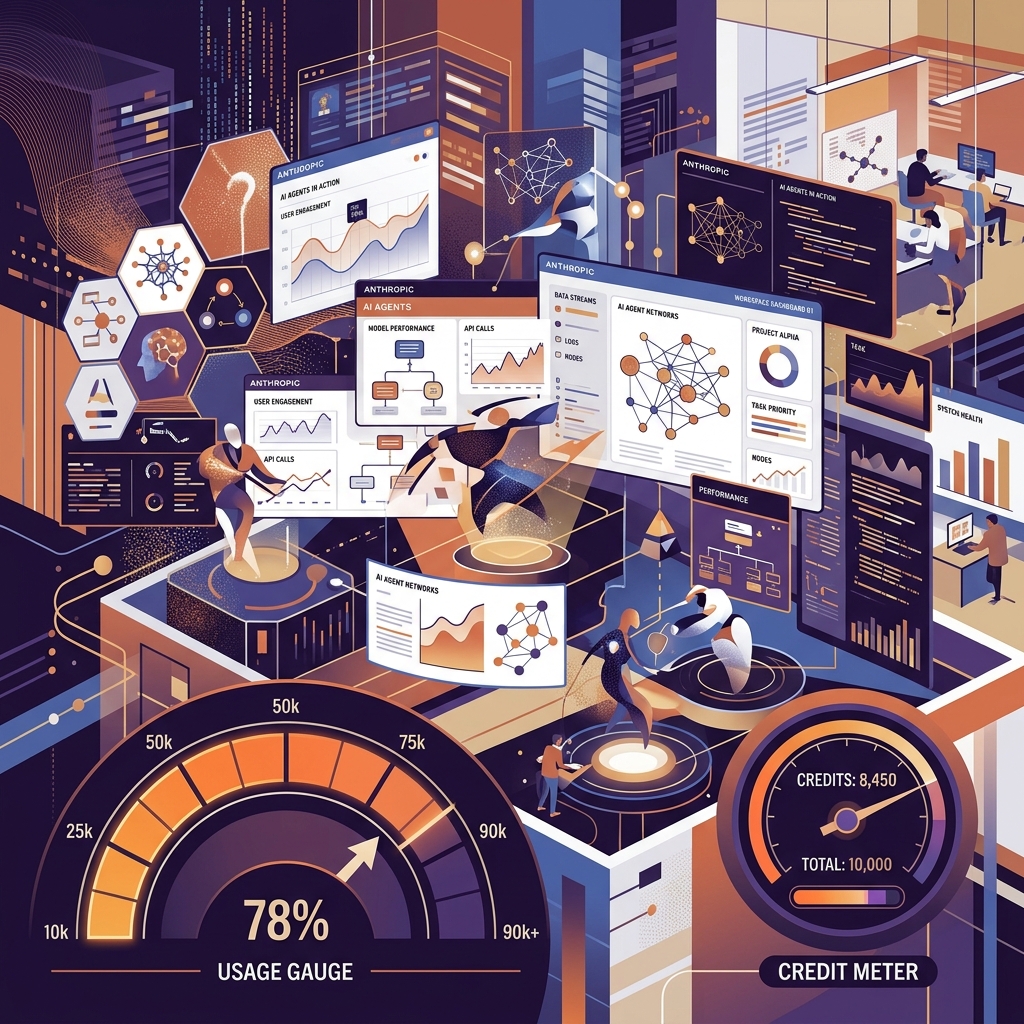
Anthropic announced on May 14, 2026, a new “programmatic credit pool” system designed to separate agentic AI usage from standard chat subscriptions. Taking effect June 15, the change acknowledges that autonomous AI agents — which can execute multi-step workflows, write code, manage files, and interact with external services — consume far more compute than traditional chat interactions.
The announcement comes alongside several related moves: the launch of “Claude for Small Business” integrating agentic capabilities with QuickBooks, PayPal, and HubSpot; an expanded strategic alliance with PwC focused on deploying Claude Code and Claude Cowork for enterprise automation; and a new “Dreaming” feature for the Managed Agents API that consolidates persistent memory across agent sessions.
The credit pool system represents Anthropic’s first formal pricing acknowledgment that agentic AI is a fundamentally different product category than conversational AI, requiring different economics.
Sources
- SiliconAngle — Anthropic Announces Programmatic Credit Pool
- InfoWorld — Anthropic Puts Claude Agents on a Meter
- Anthropic — Claude for Small Business
Commentary
This is one of those moves that seems mundane on the surface — just a pricing change — but actually signals a massive industry shift. When Anthropic creates a separate economic tier for agentic usage, they’re implicitly acknowledging that AI agents are no longer experimental curiosities. They’re production workloads with real, measurable compute costs that dwarf typical chat sessions.
The “Dreaming” feature is arguably the most technically interesting piece. Persistent memory management across agent sessions — merging duplicates, pruning stale entries — is a hard problem that has limited how useful long-running agents can be. If Anthropic cracks this, it removes one of the key barriers to truly autonomous AI workflows. The PwC partnership and small business integrations suggest Anthropic is aggressively moving agents from developer tools into mainstream business infrastructure. The agentic era isn’t coming — it’s being priced.